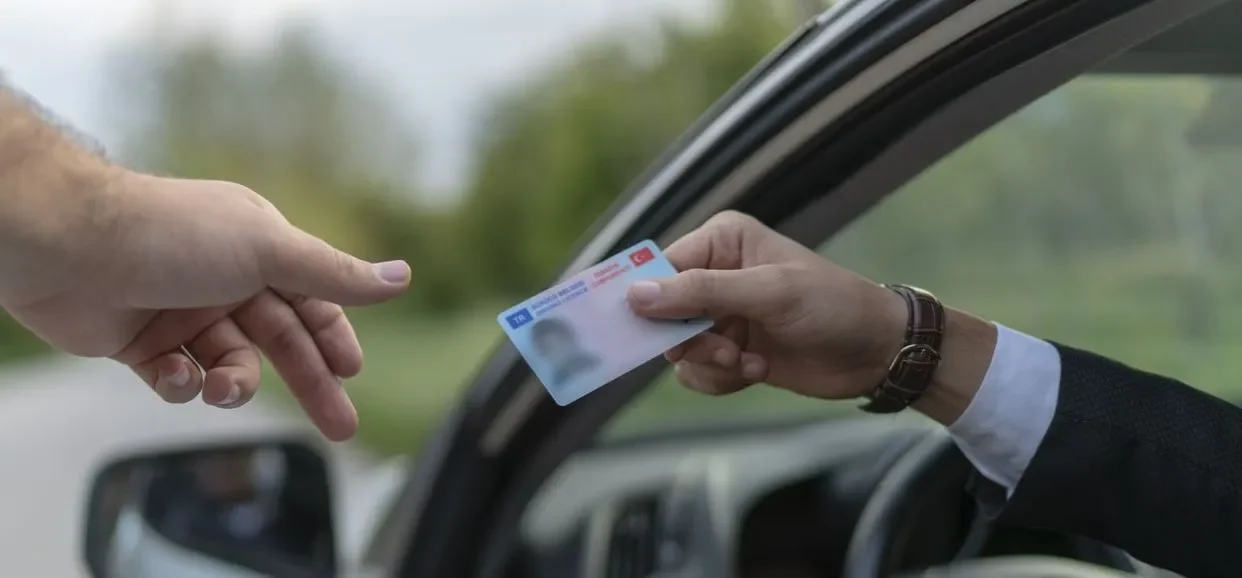
Traffic Fine Process for Rental Vehicles: Who Gets the Fine, How Is It Paid?

Receiving a traffic fine while using a rental car raises practical questions such as “Is the fine issued to me or to the rental company?”, “When does it appear in the system?”, and “How can I pay without missing the discount?”. This is because, with a rental car, the triangle of license plate, vehicle owner (rental company), and actual driver (renter) operates simultaneously. From a legal standpoint, fines usually proceed via the license plate/registration; however, under the rental agreement, the payment responsibility is typically passed on to the renter who used the vehicle. In this article, we cover the traffic fine process for rental cars in detail—from how fines appear in systems and notification logic, to how companies identify and match fines to renters, payment channels and early payment discounts, objection steps, and points foreign drivers should consider.
Who Is a Traffic Fine Issued To in a Rental Car? The Relationship Between Plate, Driver, and Company
In practice, traffic fines are mostly issued based on the license plate, and the first notification goes to whoever is the registered owner of the vehicle (in most rental cases, the rental or fleet company). Rental companies then match the fine to the relevant rental agreement using the date, time, and location of the violation. Industry sources clearly state that for rental cars, fines arrive at the company via the plate and are then notified to the renter.
It is more accurate to consider the question “who is fined?” on two levels:
- Administrative addressee (plate/registration): For EDS, radar, parking, etc., the fine record is usually created via the plate and addressed to the registered owner.
- Contractual payment responsibility (renter): Rental agreements commonly state that traffic fines are the renter’s responsibility and will be charged to the renter by the company.
In short: system-wise, the fine may proceed via the plate/registration, but due to the rental agreement, the payment is practically passed on to the renter. Therefore, absolute claims like “the fine went to the company, I’m not responsible” or “the fine was issued to me, the company is not involved” are not always correct; the fine type and detection method (in-person issuance vs. electronic detection) can change the process.
When Does the Fine Appear in the System? e-Government and Notification Processes
The time it takes for a fine to appear in systems can vary by fine type. For example, for electronic detection systems (EDS), radar, and plate recognition, the fine is first recorded in institutional systems and then reflected in the Revenue Administration/payment channels and e-Government inquiries. This reflection can be quick or delayed by several days/weeks.
The most practical way for individuals to track fines is usually via e-Government services such as “fine inquiry by license plate” and “traffic fine debt inquiry/payment”.
Regarding notifications, two main channels stand out:
- Physical notification: In some cases, postal/official notifications apply.
- Electronic notification (UETS): UETS (National Electronic Notification System) is accessible via e-Government.
With rental cars, the first alert often appears on the rental company’s operational dashboard or corporate tracking flow. This explains situations like “I can’t see it on e-Government, but the company called me”: companies may learn earlier through plate-based corporate tracking/reports, while the e-Government/payment screen reflection follows a different timeline.
How Does the Rental Company Identify a Traffic Fine and Match It to the Renter?
Rental companies manage fines as a vehicle-based operation. With fleets that may include hundreds of vehicles, correctly directing fines is critical. The general matching logic includes:
- Plate and fine time: Plate number and date-time in the fine record.
- Rental agreement period: Identifying who had the vehicle during that date/time window.
- Additional drivers and pick-up/return times: Pick-up/return times, registered additional drivers, and in some companies, location data.
- Internal approval and notification: The fine amount and details are communicated to the renter via email/SMS/phone.
Industry guidance frequently emphasizes that rental car fines are the renter’s responsibility and are directed to the renter after the company is informed.
The most common issue here is unclear pick-up/return times or claims like “the car wasn’t with me.” Therefore, accurate times on the rental receipt/contract, recording additional drivers in the contract, and retaining handover records strengthen your position in disputes.
How Is a Traffic Fine Charged to the Renter? Collection Methods and Workflow
Rental companies may use different collection models depending on policy, rental duration, and contract clauses. Common methods include:
- Card charge (post-charge): After the fine reaches the company, the renter is notified and the amount is charged to the card on file per the contract.
- Deposit/security offset: The authorization/deposit taken at the start may be used to offset fines if stated in the contract.
- Renter pays directly: The company shares fine details; the renter pays via e-Government/Revenue Administration/bank and sends the receipt.
- Invoicing for corporate rentals: Fines are periodically reported and added to corporate invoices/statements.
FAQs from platforms like Yolcu360 note that fines are the renter’s responsibility under the contract and that companies may apply authorizations.
Important practical point: Some companies may add an “operation/service fee” during collection. Such fees should be clearly stated in the contract. Clarifying the fine charging model and any extra fees at pick-up helps minimize surprises.
Is There an Early Payment Discount? Time Limits and Key Considerations
Yes. Administrative traffic fines may be paid with a 25% early payment discount. The critical factor is the timeframe. The Ministry of Interior announced that the discounted payment period has been extended from 15 days to 1 month from the notification date. The Revenue Administration also states that paying within 1 month from the notification date qualifies for a 25% discount.
To avoid missing the discount:
- The discount runs from the “notification date”: Not necessarily the issue date.
- In rental cars, the addressee may be the company: Thus, the company’s notification date and the system appearance date may differ. The safest approach is to request details as soon as the company notifies you and check payment screens immediately.
- If you plan to object, manage time carefully: Objections follow a separate procedure; act with concrete information regarding discount rights and deadlines.
Official and insurance sources note that inquiries and payments can be made via the Revenue Administration/e-Government, as well as through banks/ATMs/PTT.
Radar, EDS, and Parking Fines: How the Process Varies by Fine Type
Traffic fines are not uniform. The process varies by detection method and issuing authority. For rental cars, three main categories apply:
- Electronic detection (EDS, radar, plate recognition): Fines are created via the plate without stopping the driver. The common model is “company receives it first, then charges the renter.”
- In-person enforcement (stopped by traffic police): In some cases, a ticket may be issued to the driver; however, the plate record still enters systems.
- Parking fines: Issued by municipalities or authorities; notification and collection flows vary by institution.
As the fine type changes, so do system appearance times, notification channels, and visibility in payment screens. Rather than relying on a single “it appears in X days” rule, it’s better to take company notifications seriously and check regularly.
Differences Between HGS/OGS Violations and Traffic Fines
HGS/OGS violations often confuse users because the term “fine” is used; however, they differ legally and operationally from administrative traffic fines. An HGS violation relates to non-payment of tolls on paid highways/bridges/tunnels or failure to collect due to system issues.
The General Directorate of Highways (KGM) states that if one subscribes to HGS or loads sufficient balance within 15 days after a violation, a penalized toll may not apply; otherwise, penalty amounts increase according to defined intervals.
In brief:
- Traffic fine: An administrative fine for violating traffic rules (speeding, red light, seatbelt, etc.).
- HGS violation: Relates to unpaid toll usage; KGM/operator payment windows and penalty multipliers may apply.
- Common point in rentals: Both are tracked via the plate/vehicle, appear first to the owner (company), and may then be charged to the renter.
This distinction matters because rental companies may report HGS violations and traffic fines as separate line items. Clarify which category applies before paying or objecting to proceed through the correct channel.
What If a Fine Is Issued Incorrectly? Objection and Correction Steps
An “incorrect fine” may occur in two ways: (1) the fine itself is erroneous (plate misread, vehicle not with you, measurement/detection error), or (2) the fine is correct but matched to the wrong renter (date-time outside your rental window, pick-up/return confusion, vehicle under another contract). The second is more common with rental cars.
A practical objection/correction flow:
- 1) Request fine details: Date, time, location, legal basis, amount, and any image/detection number.
- 2) Gather your rental documents: Pick-up/return times, contract number, additional driver info/signatures, handover forms.
- 3) If it’s a matching error, first apply in writing to the company: Proceed with concrete data (e.g., “I returned the car at X time”). If the company can correct internally, the process speeds up.
- 4) If the fine is truly incorrect, consider the official objection route: Deadlines matter; delays can affect both discounts and objection rights.
- 5) Manage payment vs. objection wisely: In some cases, paying to secure the discount while pursuing an objection separately may be appropriate—assess your specific situation.
Verbal discussions alone may not suffice. Written records (email/call center ticket) and documentation are the most effective approach, especially for corporate fleets.
Payment and Notification for Foreign Renters
For foreign visitors renting cars in Turkey, the process is often more company-centric, as the renter may not have e-Government access or established notification channels (address, UETS). In such cases, companies may:
- Match using passport and contract details: Linking the fine to the renter’s contract information.
- Charge the card on file: The most common method for foreign renters (including deposit offsets where applicable).
- Notify by email and request proof: If the renter pays directly, the company emails details and requests a receipt.
Two key tips for foreign renters:
- Read the “fine collection” clause in the contract carefully: Post-charges, service fees, and notification methods are specified there.
- Track potential fines before leaving Turkey: City EDS and parking fines may appear late; request the company’s written policy on post-rental fines/HGS charges at the end of the rental.
This won’t eliminate the risk of a “surprise charge” after your trip, but knowing the expected scenario in advance helps with smoother communication and resolution.
Practical Measures and Checklist to Avoid Fine Issues with Rental Cars
Reducing the risk of traffic fines with a rental car is possible with a few disciplined habits. The checklist below helps both prevent fines and manage them smoothly if they occur:
- Review fine-related clauses at pick-up: Are collection methods, post-charges, and service fees clear?
- Register any additional drivers in the contract: Critical evidence if you claim “I wasn’t driving.”
- Watch city EDS zones: Lane violations, average speed corridors, and red lights are often electronically enforced.
- Follow local parking signs: Parking fines and towing risks can arise quickly in busy areas.
- Act promptly on notifications: Official sources state a 25% discount may apply if paid within 1 month from notification.
- Always request fine details: Date-time-location-article transparency helps identify mis-matches.
- Clarify post-rental contact channels: How will late-appearing fines/HGS violations reach you?
- Keep a simple personal log: Especially for long rentals, noting cities/routes by day can resolve disputes quickly.
With accurate information, clear contracts, and timely action, traffic fine processes for rental cars are usually manageable. The key is knowing that fines may arise via the plate and reach the company first, but are often passed to the renter under the contract—and acting promptly to secure discounts and gather evidence if an objection is needed.